


As part of our participation in Ecomondo, we interviewed Sven Le Gars, Head of Team Chemicals, Consumer Goods & Steel at Forwardis. Sven explains how Forwardis tailors its rail and multimodal solutions to meet the specific needs of each industry.
1. Chemicals, consumer goods, steel: what makes Forwardis unique in each of these sectors?
Forwardis' strength lies in our ability to tailor logistics solutions to the operational realities of each sector. In the chemicals sector, we prioritise safety and rigorous coordination between all stakeholders. In the steel industry, our strength lies in designing bespoke logistics solutions for heavy industrial flows across international markets.
For consumer goods, flexibility and supply chain management are essential. We need to select the right equipment, coordinate the different modes of transport (rail + road pre- and post-carriage), and ensure that goods are monitored all the way to their destination.
2. How does Forwardis meet the safety requirements of transporting chemical products?
Safety is Forwardis' absolute priority. This translates into the use of equipment that complies with applicable regulations, partnerships with rail operators qualified to handle dangerous goods, wagon tracking throughout the journey, and the ability to manage unexpected situations, as recent events have demonstrated, particularly the flooding in south-eastern France.
3. What solutions does Forwardis offer to the steel industry?
We develop solutions tailored to the heavy industrial freight volumes transported internationally, which require cooperation between several railway companies.
We regularly organise transport flows for major players in the sector, with routes crossing at least three countries. Examples include Sweden to Italy and France to Poland. To make this possible, we bring together three or four railway companies, ensuring smooth and carefully planned handovers between them.
4. How does Forwardis' rail expertise provide a competitive advantage across these three sectors?
Rail transport offers a relevant alternative for moving large volumes of goods while reducing CO₂ emissions compared with road transport. In 2025, thanks to rail and inland waterway transport, the equivalent of 5,200 truckloads were kept off the roads, based on a capacity of 25 tonnes per truck.
Our expertise lies in identifying freight flows suited to rail and developing efficient multimodal solutions that combine economic performance with the ecological transition. This is a shared challenge for the chemicals, steel and consumer goods sectors.
5. What added value does Forwardis offer compared with an operator providing rail traction alone?
Our added value goes beyond rail traction. As a freight forwarder, we coordinate the entire logistics chain, from selecting partners to managing pre- and post-carriage operations. This allows us to offer our customers an end-to-end solution, a single point of contact and greater control over their freight flows.
While a rail operator runs the train, Forwardis designs and manages the entire logistics solution: selecting partners and equipment, organising pre- and post-carriage operations, monitoring freight flows and managing unforeseen events. Thanks to our network of more than 200 partners and suppliers across Europe, we coordinate every stage of the transport process and provide our customers with a comprehensive solution, a single point of contact and centralised billing, giving them greater control over their logistics flows.
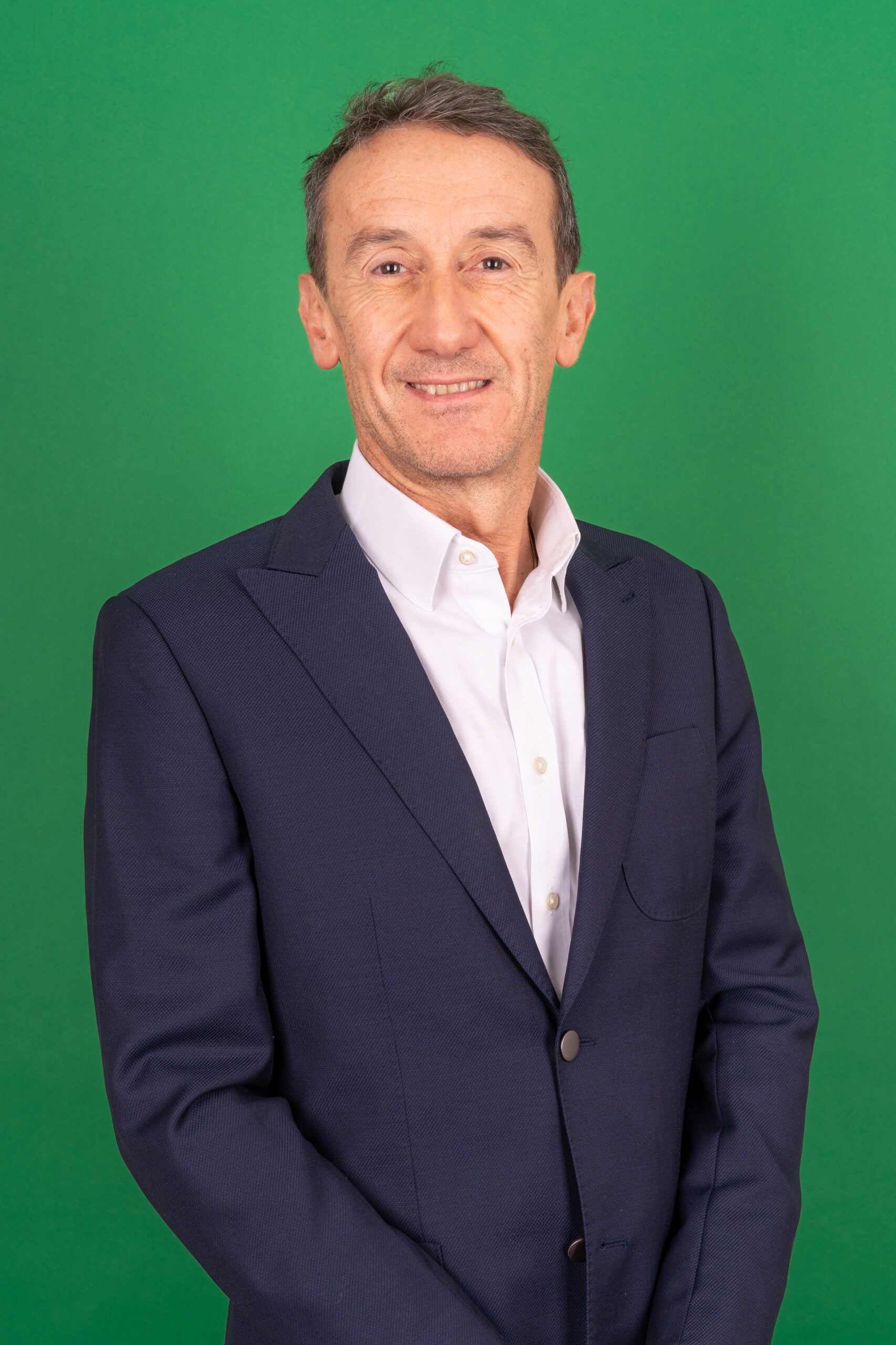
Sven Le Gars
Head of Team Chemicals, Consumer Goods & Steel at Forwardis